Wen-Chia Tsai Parker

Teacher, Author, Illustrator, Designer and Architect


Fresh Homemade Apple Jam from my tree ;-)

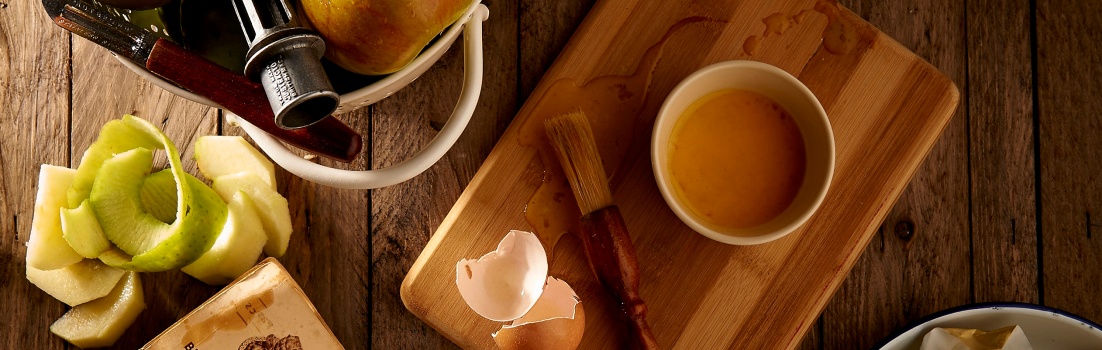
I picked a bunch of tree ripe red apples from my garden tree.  So many of them were bruised by the wind or lightly chewed by squirrels so I decided the best way to save them was to make fresh apple jam.  The recipe is very easy, just clean and chop apples, add fresh squeezed lemon juiceI and organic sugar to taste.  I used only the juice of one lemon since my tree gives me such large juicy lemons, and about 2 tablespoons of brown organic sugarcane sugar.  Bring to a gentle boil for about 10-12 minutes mix well and store in a glass jar/ air tight container in the fridge.  Enjoy! Don’t forget to compost your apple peels and cores 😉

Apple trees can thrive in Los Angeles when the right varieties are chosen and properly planted. Because LA has a mild, Mediterranean climate with short winters, success depends on selecting low-chill varieties such as Anna, Dorsett Golden, Fuji, Gala, and Ein Shemer, which require fewer hours of cold temperatures to produce fruit. Planting is best done in early spring or late fall, choosing a sunny spot with well-draining, loamy soil, and ensuring the tree receives 6–8 hours of direct sunlight daily. While apple trees are somewhat drought-tolerant, they do need regular irrigation and benefit from cross-pollination with compatible varieties planted nearby. In Los Angeles, both dwarf and semi-dwarf apple trees are popular for home gardens due to their manageable size and productivity. With proper care and variety selection, LA gardeners can enjoy crisp, homegrown apples even in the city’s warm climate.


Picking Summer Fruits Apples & Peaches

Apple and peach trees have rich and ancient histories, originating thousands of years ago in Asia. Apples are believed to have first been domesticated in the mountains of Central Asia, particularly Kazakhstan, while peaches trace their roots to China, where they were cultivated as early as 2000 BCE. Over centuries, both fruits spread westward along trade routes and became staples in orchards across Europe and the Americas. In Southern California, the warm days and cool nights create ideal conditions for many low-chill varieties of apples and peaches to thrive. Planting these trees not only provides delicious, homegrown fruit but also supports local biodiversity, encourages sustainable gardening, and enhances backyard landscapes with their beautiful blossoms and seasonal harvests.

While it might seem natural to grow apple and peach trees from the seeds inside their fruit, doing so rarely produces the same quality or type of fruit as the parent tree. This is because both apples and peaches are genetically diverse and do not grow true to seed—the resulting trees often bear fruit that is very different in taste, texture, or quality. Instead, Home growers rely on grafting, a horticultural technique that joins a branch or bud from a desired fruit variety onto a hardy rootstock. This ensures the new tree will produce consistent, reliable fruit identical to the original cultivar. Grafting also allows for better disease resistance, improved growth, and earlier fruit production, making it the preferred method for propagating apple and peach trees.

Apples and peaches are incredibly versatile fruits with a wide range of culinary and practical uses. Apples can be enjoyed fresh, juiced, or cooked into pies, crisps, and sauces, and their firm texture makes them ideal for baking and preserving. They’re also commonly dried for snacks or fermented into cider and vinegar. Peaches, with their juicy sweetness, are perfect for eating fresh off the tree, blending into smoothies, or baking into cobblers and tarts. They can also be canned, made into jam, or grilled for a savory-sweet twist. Beyond the kitchen, both fruits are rich in vitamins, fiber, and antioxidants, making them nutritious staples in a healthy diet.


Planting Basil in my Garden

I’m planting some beautiful fresh Thai basil in my garden from stems that I purchased from a farmers market. These beautiful stems are easy to root to propagate to make new plants to grow into full basil plants that can be harvested and use in all sorts of delicious food. In this video, I show how easy it is to plant basil into pots and in directly into the soil in my garden. Thai basil, scientifically known as Ocimum basilicum var. thyrsiflora, is a staple herb in Southeast Asian cuisines. It is easily recognizable by its striking purple stems, small and narrow bright green leaves with serrated edges, and clusters of pink-purple flowers that bloom in late summer. Cousins to the sweet basil; Thai basil has a robust, spicy-sweet flavor profile with pronounced notes of anise and licorice, making it highly prized for its ability to withstand high cooking temperatures and infuse dishes with bold, aromatic complexity. Commonly used in dishes such as Thai curries, Vietnamese phở, and stir-fries, Thai basil is valued for both its culinary versatility and its nutritional benefits, including high levels of vitamins A and K. Its sturdy leaves and stems are all edible, and the plant is often grown as an annual in temperate climates, thriving in warm, sunny conditions. This plant is very easy to grow in the warm temperatures of SoCal as long as it gets enough water. Enjoy the fragrant and beauty of Thai Basil in your garden and home cooking! #Composting, #GardenCompost, #DIYComposting, #CompostTips, #WormComposting, #Vermicomposting, #LazyComposting, #CompostBin, #OrganicGardening, #GardeningForBeginners, #HotComposting, #SustainableGardening, #EcoFriendlyGardening, #HomeGardening, #UrbanGardening, #SoilHealth #PlantNutrition, #GardenHacks, #FallGardening, #ZeroWaste, #MomLife, #GardeningWithKids, #FamilyGardening, #KidsInTheGarden, #GardeningMoms, #SustainableLiving, #EcoFriendly, #ZeroWasteLiving, #GreenParenting, #NatureLovers #rooftopgarden #guava #herbs #fruitbearingplant #fruittrees #fruitrees #greenparenting #ecofriendly #gardeningtips, #rooftopplants #reducecarbonfootprint, #rooftopplants, #ZeroWaste, #MomLife, #GardeningWithKids, #FamilyGardening, #KidsInTheGarden, #GardeningMoms, #SustainableLiving, #EcoFriendly, #ZeroWasteLiving, #GreenParenting, #NatureLovers #basil #greenlove #herbs #cookingwithlove #plants


Monstera Deliciosa in my home & garden

I love my Monstera plants, and I love the entire pothos plant family! Just a small branch, leaf cutting can be propagated to grow into a beautiful lush new plant to enjoy for years to come! Monstera plants thrive both indoors and outdoors in Southern California, thanks to the region’s mild climate and USDA hardiness zone 10+ conditions. Indoors, monstera prefers bright, indirect light and should be kept away from intense, direct sunlight to prevent leaf scorch. The ideal temperature range is between 65°F and 85°F, with moderate to high humidity-conditions that can be maintained by misting the leaves or using a humidifier. Well-draining, organic-rich soil is essential, and watering should occur when the top inch of soil feels dry, avoiding both overwatering and drought stress. Outdoors, monstera can be grown year-round in Southern California, provided it is placed in dappled sunlight or partial shade, such as under a tree canopy or on a covered patio, to mimic its native rainforest environment and prevent sunburn. While monstera can tolerate brief dips to around 50°F, it is not frost-tolerant and should be brought indoors or protected during rare cold snaps. Whether grown inside or out, providing a climbing structure like a moss pole or trellis encourages healthy, upright growth and larger leaves. With these care practices, monstera can flourish as a striking tropical accent in Southern California homes and gardens.

Propagating Monstera plants is widely regarded as easy and beginner-friendly, making it a popular choice for both new and experienced plant enthusiasts. The most common and straightforward methods include water propagation, soil propagation, and air layering. Water propagation is particularly favored for its simplicity and the ability to observe root development directly: simply take a cutting with at least one node, place it in a jar of water with the node submerged, and keep it in bright, indirect light-roots typically start to form within a few weeks. Soil propagation is similarly easy: plant a node-bearing cutting in moist, well-draining soil, keep it warm and well-lit, and roots will develop in a few weeks as well. Air layering is another effective method, especially for larger plants, as it allows roots to form on the stem while still attached to the parent plant before being separated and potted.  Monstera propagation is so rewarding and highly successful allowing you to expand your collection and share new baby plants with friends and family!  Aloha and I’m happy to share the joy of monsters from my home to yours! DM me if you would like a cutting to propagate yourself! kidscancompost.com


Making Avocado toast with local ingredients!

I love making this for a quick and healthy breakfast! When I add fresh local ingredients and rustic country bread its even better! Add what ever fresh herbs you have in season from your garden making the best Avocado toast to a nutrient-dense meal that offers a variety of health benefits; The combination of whole grain bread and avocado provides a rich source of heart-healthy monounsaturated fats, which can help lower bad cholesterol and support cardiovascular health. Avocados are also packed with dietary fiber, aiding digestion and helping you feel fuller for longer, which may assist with weight management. Additionally, avocado toast delivers a spectrum of essential vitamins and minerals-including potassium, vitamin C, vitamin E, vitamin K, and B vitamins-along with antioxidants that support immune function and overall wellness. Compared to traditional toast toppings like butter or jam, avocado offers a lower-carb, more satiating option without added sugars, making it a smart choice for sustained energy throughout the day.


Herb Gardening harvesting & making Herb gift bundles to share! Aloha Spring!

Come visit my garden and see all the wonderful herbs and flowers in bloom! Growing herbs like lavender, thyme, basil, oregano, chamomile, and calendula in your garden offers a wealth of benefits for both your health and your outdoor space. These herbs attract pollinators such as bees and butterflies, supporting local biodiversity and improving the productivity of your garden. Lavender and chamomile add soothing fragrances and calming properties, while also repelling certain pests. Culinary herbs like thyme, basil, and oregano not only elevate your cooking with fresh flavors but also provide vitamins, minerals, and natural remedies for common ailments. Calendula and chamomile are valued for their gentle medicinal uses and their ability to draw beneficial insects and protect garden soil from erosion and weed growth. Together, these herbs create a vibrant, low-maintenance, and multi-functional garden space that enhances your well-being and the environment.

After harvesting my herbs and flowers, this second part video shows you how I make herb bundles, and arrangements as gifts for friends and family. Easy way to bundle and keep your herbs for later use or gift giving. I also like to use jars and containters and upcycle them as vases to present the flowers beautifully! It smells wonderful, and feels great to make and give gifts from mother nature to brighten someone’s day! Feel free to come visit my garden and harvest some herbs and flowers for you! follow me on instagram @wenchia and facebook on Wenchia Parker and kids can compost!

#Composting, #GardenCompost, #DIYComposting, #CompostTips, #WormComposting, #Vermicomposting, #LazyComposting, #CompostBin, #OrganicGardening, #GardeningForBeginners, #HotComposting, #SustainableGardening, #EcoFriendlyGardening, #HomeGardening, #UrbanGardening, #SoilHealth #PlantNutrition, #GardenHacks, #FallGardening, #ZeroWaste, #MomLife, #GardeningWithKids, #FamilyGardening, #KidsInTheGarden, #GardeningMoms, #SustainableLiving, #EcoFriendly, #ZeroWasteLiving, #GreenParenting, #NatureLovers #rooftopgarden #guava #herbs #fruitbearingplant #fruittrees #fruitrees #greenparenting #ecofriendly #gardeningtips, #rooftopplants #reducecarbonfootprint, #rooftopplants, #rooftopgarden, #passionfruit, #solarenergy, #reducecarbonfootprint, #ZeroWaste, #MomLife, #GardeningWithKids, #FamilyGardening, #KidsInTheGarden, #GardeningMoms, #SustainableLiving, #EcoFriendly, #ZeroWasteLiving, #GreenParenting, #NatureLovers, #eatlocal, #eatgreen #herbs #flowers


Spring time Loquat Fruit picked ripe from the Tree

I have many loquat trees in my yard. I grew up eating them as a child in Taiwan. They are delicious and they’re good for you! If I got  sick with a cough,. My mom used to give me this delicious syrup made out of local juice. All of my loquats are trees grown from an original fruiting tree at Beethoven elementary school. I’m so grateful to the wonderful plant manager there Pedro who used to help me in the school garden! We picked many fruits from that tree and brought the seeds home and planted them into new trees. My trees are between 10 to 15 years old and give our family and neighbors tons of fruit every year! Here’s a little description about loquats:

The loquat tree (Eriobotrya japonica) is a medium-sized, evergreen tree native to central eastern China and widely cultivated in subtropical regions for its attractive foliage and edible fruit145. It typically grows 3–10 meters tall, with large, dark green, leathery leaves and produces clusters of small, fragrant white flowers in autumn or early winter124. The fruit, known as loquat or Japanese plum, ripens from early spring to early summer and is oval, round, or pear-shaped, measuring 3–5 cm in length126. Loquats have a smooth or slightly fuzzy yellow to orange skin and juicy, sweet-tart flesh that ranges from white to orange, depending on the variety16. Each fruit contains several large brown seeds. Loquats are enjoyed fresh or used in jams, pies, and juices, and are valued for their high fiber, vitamin A, and antioxidant content, offering various health benefits such as supporting eye health, digestion, and immunity345.


Harvesting Picking cleaning and cooking KALE!

Kale offers numerous benefits for both cultivation and consumption. Growing kale is rewarding due to its hardiness and adaptability, providing fresh, nutrient-dense greens year-round with minimal maintenance. I have my Kale growing from a container on my roof deck.  Even after a month of neglect its grown tremendously and ready to harvest.  I pick a big bunch of Kale ready to eat! When eaten, kale delivers a powerhouse of vitamins (A, C, K) and minerals (calcium, potassium) that support heart health by lowering LDL cholesterol and blood pressure.  Its high fiber content aids digestion and bowel regularity, while antioxidants like lutein and zeaxanthin protect eye health; and it tastes delicious, crispy, nutty and sweet in flavor; rich in vitamin K and calcium, it strengthens bones,, and its low calorie count makes it ideal for weight management. Additionally, kale contains cancer-protective compounds like sulforaphane and supports immune function through vitamins C and E. I walk you through how I harvest before bolting (aka flowering) and how to clean and cook or eat raw.  Enjoy Kale and Life! 

#Composting, #GardenCompost, #DIYComposting, #CompostTips, #WormComposting, #Vermicomposting, #LazyComposting, #CompostBin, #OrganicGardening, #GardeningForBeginners, #HotComposting, #SustainableGardening, #EcoFriendlyGardening, #HomeGardening, #UrbanGardening, #SoilHealth #PlantNutrition, #GardenHacks, #FallGardening, #ZeroWaste, #MomLife, #GardeningWithKids, #FamilyGardening, #KidsInTheGarden, #GardeningMoms, #SustainableLiving, #EcoFriendly, #ZeroWasteLiving, #GreenParenting, #NatureLovers #rooftopgarden #guava #herbs #fruitbearingplant #fruittrees #fruitrees #greenparenting #ecofriendly #gardeningtips, #rooftopplants #reducecarbonfootprint, #rooftopplants, #rooftopgarden, #passionfruit, #solarenergy, #reducecarbonfootprint, #ZeroWaste, #MomLife, #GardeningWithKids, #FamilyGardening, #KidsInTheGarden, #GardeningMoms, #SustainableLiving, #EcoFriendly, #ZeroWasteLiving, #GreenParenting, #NatureLovers #kale #eatlocal #eatgreen


Wenchia YouTube we makes upcycled holiday decor with Kanoa & Kiki w/ tree trimmings

Aloha back from my visit to Oahu Hawaii, and decided to do some trimming and pruning to my trees and bushes. With the bay leaf tree, lavender, calendula, rosemary, pine clippings and branches we made beautiful wreathes by tying branches with twine and ribbons we up-cyced from gifts and packaging.  See how beautiful these decorative and environmentally friendly wreathes came out! 

Pruning trees during the winter season offers several significant benefits that contribute to their overall health and vitality. Less Stress on Trees: In winter, trees are dormant, which means pruning causes minimal stress compared to the active growing season when cuts can stimulate unwanted growth that may not harden before cold weather sets in.  

Improved Visibility: With leaves absent, it’s easier to assess the tree’s structure, identify damaged or diseased branches, and make precise cuts that enhance the tree’s form and health.  Reduced Risk of Pests and Diseases: Many pests and diseases are also dormant in winter, lowering the risk of infection through pruning cuts, which is particularly crucial for susceptible species like oaks.Enhanced Aesthetics and Safety: Winter pruning helps shape trees to fit the landscape better while also removing potentially hazardous branches before storms, ensuring both beauty and safety for your property.Overall, winter is an optimal time for tree care, promoting stronger growth in the spring.

https://www.kidscancompost.com/


Succulent Gardening and Making Holiday Gifts to Share and up-cycle your containers

Gardening with succulents in Southern California is not only visually stunning but also remarkably easy, making it a popular choice for both indoor and outdoor planters. These resilient plants thrive in the region’s warm climate, requiring minimal maintenance while adding vibrant colors and unique textures to any garden. Propagation is particularly simple; gardeners can easily multiply their succulent collection by using cuttings or leaves. By following straightforward steps, direct planting them in well-draining soil, one can watch new roots develop and transform into beautiful new plants. This process is not only cost-effective but also rewarding, as it allows enthusiasts to create lush arrangements that reflect their personal style and creativity. Have fun collecting succulents creating beautiful arrangements you can use as gifts for friends and family this holiday season!  Also you can repurpose and upcycle pots, cups, bowls and all sorts of containers including coconut shells! Check out my video and have fun gardening!
https://youtu.be/_h-uurqJBUw?si=_GVS6yv3arBbv2TT